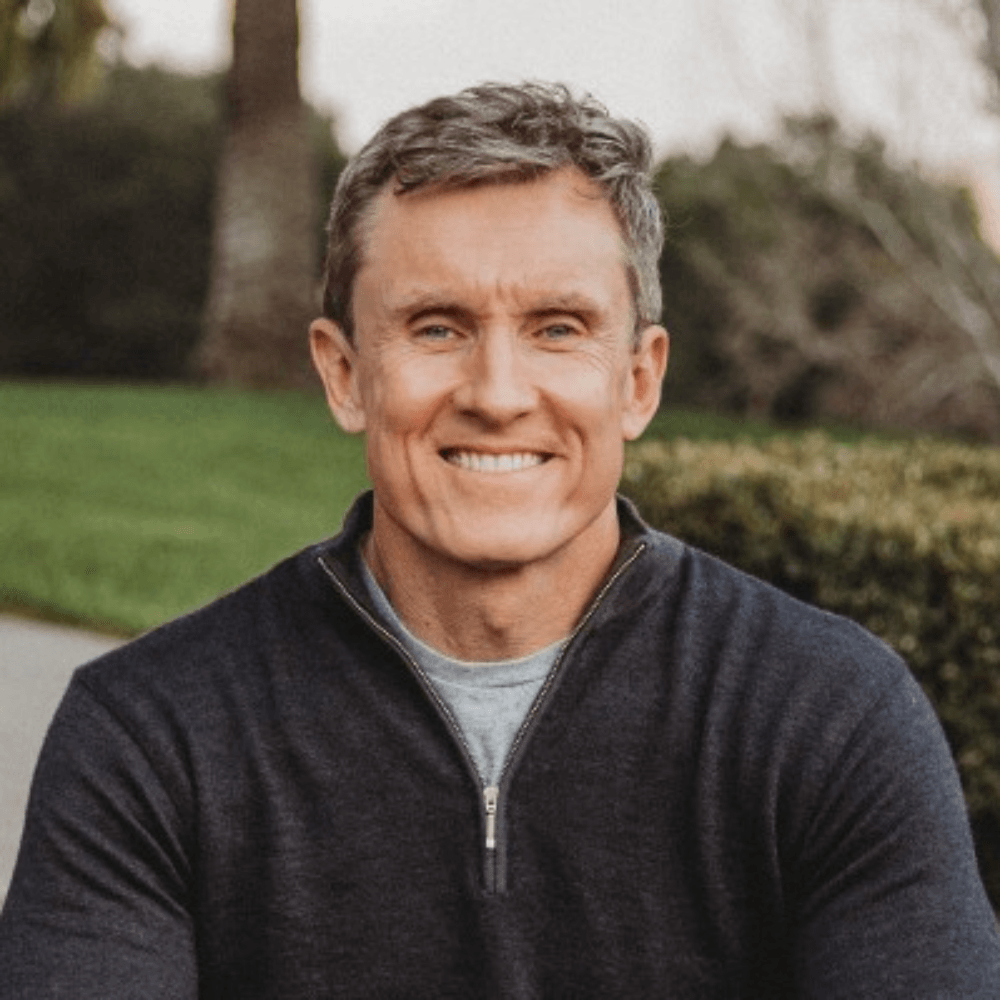
10 Books That Shape How CEO Greg Brown Leads
August 07, 2026Greg Brown joined Illumia as CEO in January 2026. He brings more than 25+ years of leadership experience to this role. We asked him to share the principles that have defined his approach — and the books that helped him develop them.
---
The best organizations never stop getting better. As companies grow, priorities become more interconnected, decisions carry broader consequences, and the leadership practices that helped build a strong foundation must continue evolving to match the opportunity ahead.
That is why I treat leadership development as an operating discipline. I did not find these 10 books all at once. I found each one while working through a specific question: how to create greater clarity, accelerate a transition, strengthen accountability, or help a growing business stay focused.
Together, they have shaped how I think about three connected responsibilities: building a healthy organization, creating strategic clarity, and establishing a culture where people can do their best work.
Build a healthy organization
Patrick Lencioni’s The Advantage makes the case directly: healthy organizations reduce politics and confusion by aligning around clarity. Build a cohesive leadership team, create clarity, communicate it consistently, and reinforce it through systems and behavior.
I have applied this framework across every organization I have led. In my experience, it produces greater trust, stronger accountability, clearer roles, and better alignment. More than once, a skeptical executive has later told me they adopted the framework with their own team after seeing its impact. Focus and clarity scale more reliably than charisma.
Jocko Willink and Leif Babin’s Extreme Ownership adds the accountability standard that helps sustain organizational health. When something is not working, leaders should begin by examining their own role. Were expectations clear? Did the team have the support it needed? What can I influence, and what should change? That mindset moves the conversation away from blame and toward learning, responsibility, and action.
Larry Bossidy and Ram Charan’s Execution builds on that principle. Execution belongs at the center of leadership, not downstream from strategy. Leaders must set clear priorities, stay close enough to the work to recognize gaps, and ensure commitments translate into progress. Strategy creates direction. Disciplined execution turns it into results.
Jim Collins completes the operating picture in Good to Great: disciplined people, disciplined thought and disciplined action, in that order.
As organizations grow, talent decisions become more consequential. Leaders must understand which capabilities the company will need next, continue developing the people already contributing to its success, and align responsibilities with where the organization is going. Those decisions shape the company’s ability to execute today and prepare for what comes next.
Create strategic clarity
Organizational health and strong execution create the foundation. Leaders must then answer three questions: Where can the company create distinctive value? What deserves the greatest focus? How should the organization move from learning to action?
Hamilton Helmer’s 7 Powers is the clearest framework I have found for the first question. Scale economies, switching costs, network effects, brand, process power, cornered resources, and counter-positioning are practical ways to evaluate whether strong performance can endure.
Every leadership team should be able to articulate which of these advantages the company possesses, which it intends to strengthen, and why competitors will find them difficult to replicate.
Gary Keller and Jay Papasan’s The ONE Thing addresses the second question: What is the highest-leverage priority that would make everything else easier or unnecessary?
It is easy to add priorities. It takes discipline to identify the one that matters most and keep the organization aligned around it. That kind of focus is a leadership obligation, not simply a personal productivity habit. When leaders make clear trade-offs, they help teams direct their energy toward the work that can create the greatest impact.
Michael Watkins’ The First 90 Days provides a disciplined approach to the third question, particularly during a leadership transition. Sustainable momentum begins with understanding.
I have used Watkins’ framework throughout my career to accelerate learning, listen carefully to the people who know the business best, and build clarity around the opportunities ahead before moving too quickly into action. Early wins matter because they strengthen confidence and alignment, creating the foundation for the more consequential decisions that follow.
Establish a culture where people can do their best work
Strategy and execution can carry an organization a long way. Culture determines whether that performance lasts.
My father was a coach and mentor. What he taught me, and what team sports reinforced, is that the success of the team matters more than individual recognition. The best leaders remove obstacles, create confidence, and help others win. Consistency matters because the standards leaders model in small moments shape how the organization responds in larger ones.
Simon Sinek’s Leaders Eat Last gives that principle a structure. High-performing cultures depend on trust and safety. People commit more fully when they believe their leaders value the team and make decisions in service of a shared purpose.
When trust is strong, teams can have difficult conversations, make real commitments, and hold one another accountable while continuing to move forward together.
Brené Brown’s Dare to Lead adds the interpersonal courage that makes trust credible. Leaders who acknowledge mistakes and address hard issues directly make better decisions.
For me, that sometimes means saying, “I got this wrong, and here is what we are going to do differently.” That kind of ownership is distinct from operational accountability. It is the willingness to be candid, learn publicly, and show that leadership standards apply to everyone. Humility is not a soft skill. It is one of the ways trust compounds.
Jessica Kriegel and Joe Terry’s Surrender to Lead brings these ideas together around a practical definition of leadership: setting the conditions for success.
----
Leaders cannot control every outcome, but they can shape the environment in which strong outcomes become more likely. That means investing in people, recognizing the behaviors worth repeating, and equipping teams with the skills and clarity they need to perform at a high level. It also means building on the strengths already present in the organization while creating more opportunities for people to contribute, develop, and succeed.
That is the standard I hold myself to, and it is the work I am most excited to continue at Illumia.
Speak to an Expert